
Buying or selling a home in Nassau County? Nassau Professional Home Inspector provides the expert eyes you need to navigate the process with confidence.
Hear from Our Customers
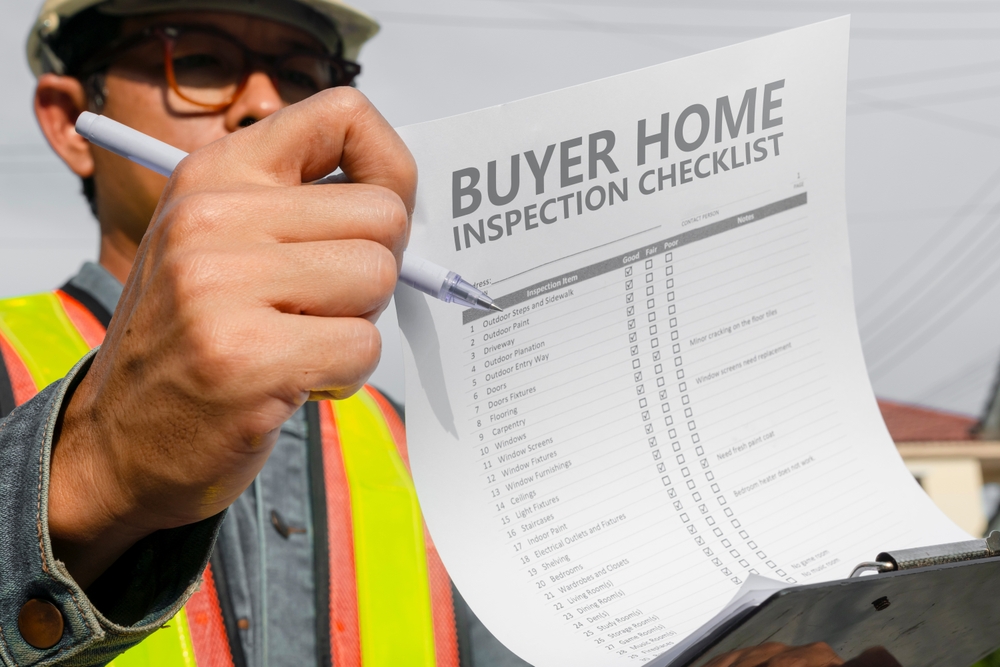
About Nassau Professional Home Inspector
Nassau Professional Home Inspector is an A+ Rated company by the Better Business Bureau and was awarded “Best of HomeAdvisor” in 2016 & 2017. Giving you the information you need to make wise decisions about your property is our goal; we do not just check boxes. Our certified inspectors use state-of-the-art tools, like moisture meters and infrared cameras, to uncover hidden problems and provide you with a clear, concise report. When you choose Nassau Professional Home Inspector, you’re choosing a partner in your homeownership journey.
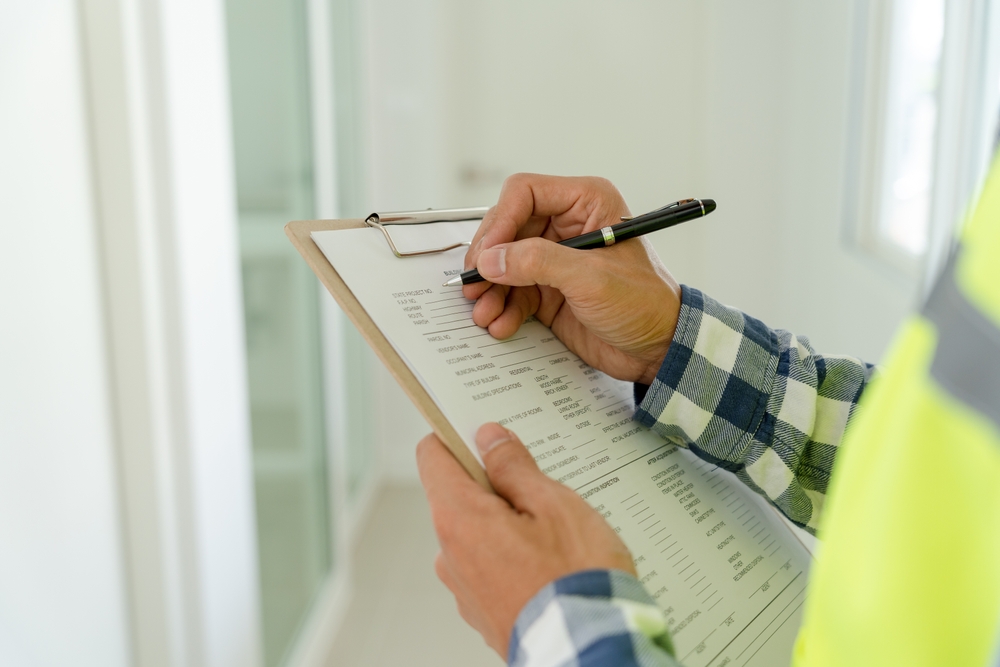
NY Inspection Process
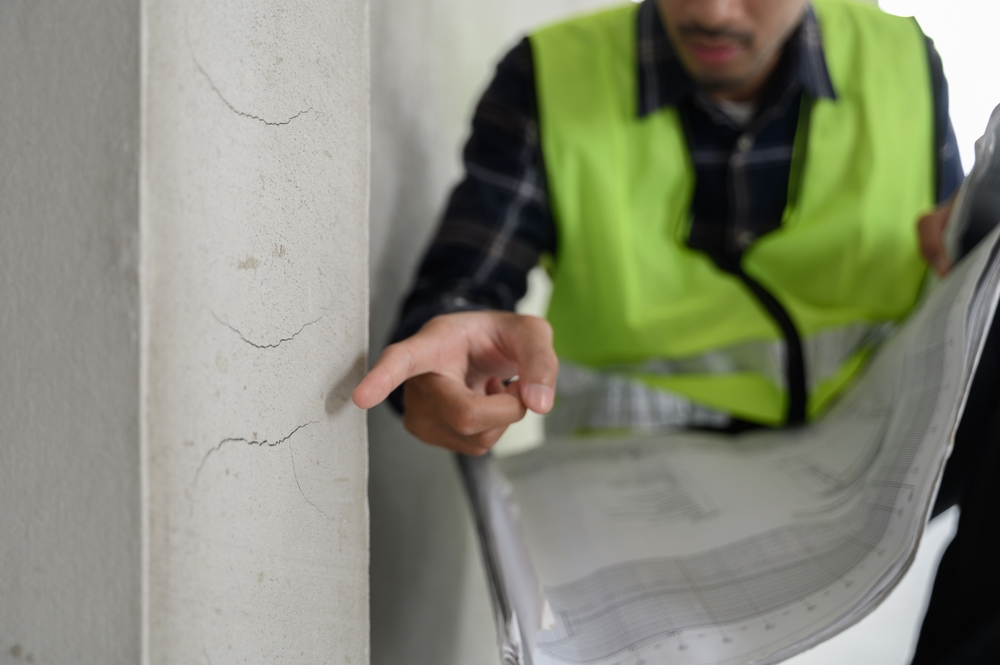

Importance of Home Inspections
A home inspection is necessary in the buying or selling process. It’s your safeguard against costly surprises and ensures you’re making an informed decision. At Nassau Professional Home Inspector, we offer a medley of services, including termite inspections, mold assessments, and asbestos surveys. We even inspect your HVAC system, plumbing, electrical systems, and foundation. Contact us today at 516-580-1848 to schedule your inspection and experience the Nassau Professional Home Inspector difference.
The building firm, Levitt & Sons, headed by Abraham Levitt and his two sons, William and Alfred, built four planned communities called “Levittown”, in New York, Pennsylvania, New Jersey, and Puerto Rico; the Levittown in New York was the first. Additionally, Levitt & Sons’ designs are featured prominently in the older portion of Buffalo Grove, Illinois; Vernon Hills, Illinois; Willingboro Township, New Jersey; the Belair section of Bowie, Maryland; and the Greenbriar section of Fairfax, Virginia.
The Levitt firm began before World War II, as a builder of custom homes in upper middle-class communities on Long Island. During the war, however, the home building industry languished under a general embargo on private use of scarce raw materials. William “Bill” Levitt served in the Navy in the Seabees – the service’s construction battalions – and developed expertise in the mass-produced building of military housing using uniform and interchangeable parts. He was insistent that a postwar building boom would require similar mass-produced housing, and was able to purchase options on large swaths of onion and potato fields in undeveloped sections of Long Island.
Returning to the firm after war’s end, Bill Levitt persuaded his father and brother to embrace the utilitarian system of construction he had learned in the Navy. With his brother, Alfred, who was an architect, he designed a small one-floor house with an unfinished “expansion attic” that could be rapidly constructed and as rapidly rented to returning GIs and their young families. Levitt & Sons built the community with an eye towards speed, efficiency, and cost-effective construction; these methods led to a production rate of 30 houses a day by July 1948. They used pre-cut lumber and nails shipped from their own factories in Blue Lake, California, and built on concrete slabs, as they had done in a previous planned community in Norfolk, Virginia. This necessitated negotiating a change in the building code which, prior to the building of this community, did not permit concrete slabs. Given the urgent need for housing in the region, the town agreed. Levitt & Sons also controversially utilized non-union contractors in the project, a move which provoked picket lines. On the other hand, they paid their workers well and offered multiple incentives that allowed them to earn extra money, so that they often could earn twice as much a week as elsewhere. The company also cut out middlemen and purchased many items, including lumber and televisions, directly from manufacturers. The building of every house was reduced to 26 steps, with sub-contractors responsible for each step. His mass production of thousands of houses at virtually the same time allowed Levitt to sell them, with kitchens fully stocked with modern appliances, and a television in the living room, for as little as $8,000 each (equal to $109,162 today), which, with the G.I. Bill and federal housing subsidies, reduced the up-front cost of a house to many buyers to around $400 (equal to $5,458 today).
Learn more about Levittown.ProSpec Home Inspection of Long Island
Company
Support
Useful Links